Kachery Road

Sialkot, Pakistan

+92 300 8994799

Contact Us

Mon - Sat | 9:00 – 6:00

Sunday CLOSED

Request a Free Quote

Edit Template
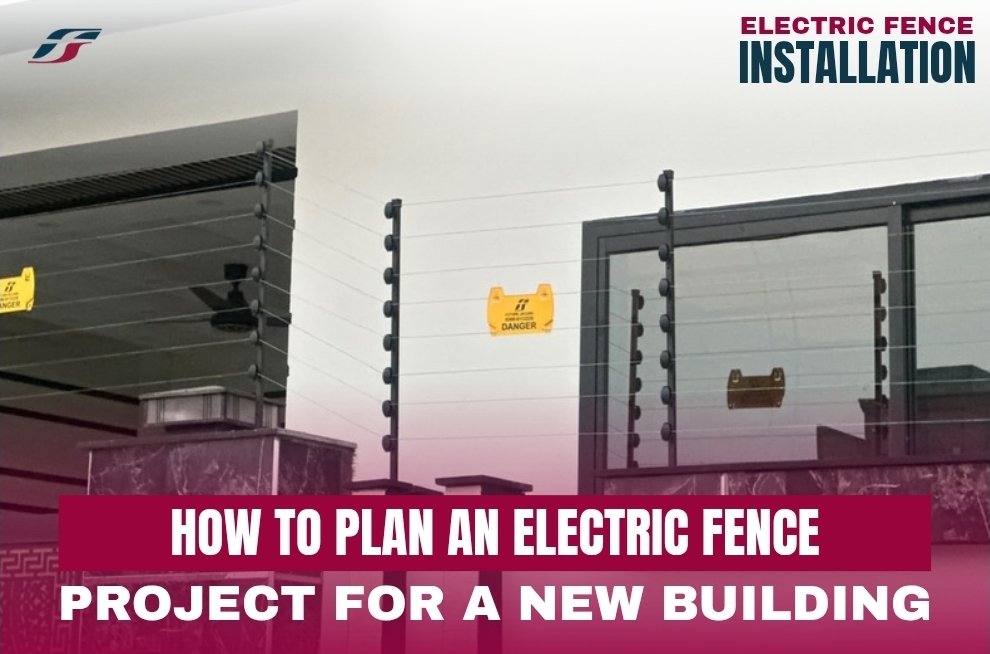
How to Plan an Electric Fence Project for a New Building

How to Plan an Electric Fence Project for a New Building

Planning an electric fence project for a new building before construction or final boundary work is completed can make the entire security installation more organized, reliable, and cost-effective. A new building gives property owners the opportunity to consider perimeter security from the beginning rather than modifying the property after construction.

An electric fence can provide an additional security layer around homes, commercial buildings, factories, warehouses, offices, and other properties. However, professional planning is important because the building layout, boundary wall, gate positions, electrical arrangements, and security requirements can all affect the final installation.

For this reason, an electric fence should be considered as part of the property’s overall security plan rather than as an isolated installation.


Why Plan an Electric Fence Before the Building Is Complete?

Installing an electric fence after construction is possible, but planning it during the building stage can simplify several important tasks.

A new building project allows the installer to review:

  • Boundary wall design
  • Property perimeter
  • Gate and entrance locations
  • Electrical requirements
  • Energizer location
  • DB box position
  • Alarm placement
  • Mobile access requirements
  • CCTV positioning
  • Access control requirements
  • Future maintenance access

Early planning can also help avoid unnecessary modifications to completed walls and other structures.


Benefits of Early Electric Fence Planning

Planning Stage Potential Benefit
Before boundary construction Fence layout can be considered with the wall design
During electrical planning Suitable power arrangements can be considered
Before CCTV installation Security systems can be coordinated
Before gate installation Fence and access points can be planned together
Before final finishing Installation-related requirements can be addressed earlier
Before handover Testing can be completed before the property becomes fully operational

Step 1: Assess the New Building and Its Perimeter

The first stage of an electric fence project for a new building should be a proper site assessment.

The installer should examine the complete perimeter and understand the property’s layout. Different buildings can have different security requirements depending on their size, location, boundary design, and usage.

For example, a residential property may require a different approach from a factory or warehouse.

The site assessment should consider:

  • Total perimeter length
  • Boundary wall structure
  • Corners and turns
  • Main gates
  • Service entrances
  • Potential access points
  • Areas requiring additional attention
  • Location of security equipment

A proper assessment helps create a practical fence layout before installation begins.

Step 2: Plan the Boundary Wall With the Electric Fence

For a new building, the boundary wall and electric fence should ideally be considered together.

The wall should provide a suitable foundation for the fence poles and accessories. The final fence arrangement can depend on the height, width, shape, and construction of the boundary.

If the electric fence is considered only after the wall has been completed, certain installation requirements may become more difficult to accommodate.

Therefore, discussing the fence during the boundary-wall planning stage can help reduce future modifications.

Step 3: Select the Appropriate Energizer

The energizer is a critical part of an electric fence system. For Future Secure projects, the commonly specified energizer brands are Tongher/Tonger and Nemtek.

The appropriate choice depends on the size and requirements of the property.

Requirement Tongher/Tonger Nemtek
Smaller properties Suitable Suitable depending on requirements
Larger properties Depends on project requirements Suitable for larger installations
Industrial applications Project dependent Commonly considered for larger/heavier requirements
Property size Smaller or moderate applications Larger perimeter applications
Final selection Based on site assessment Based on site assessment

The energizer should not be selected simply because of price. The property size, perimeter design, system requirements, and installation plan should all be considered.

Step 4: Plan the Energizer and DB Box Location

The energizer needs an appropriate location within the security system.

For a new building, the position of the energizer and electrical DB box should be discussed before finishing work is completed.

The location should allow:

  • Appropriate electrical connection
  • Easy access for authorized personnel
  • Protection of the equipment
  • Convenient maintenance
  • Proper system connectivity

An enclosure can also be used for the energizer to provide organized installation and protection.

Step 5: Plan the Fence Wire Layout

The fence wire layout should follow the property’s perimeter while maintaining a professional and organized installation.

The system may use SS stainless steel wires supported by stainless steel poles and suitable accessories.

Wire positioning should be planned around:

  • Boundary corners
  • Gates
  • Wall sections
  • Changes in direction
  • Property entrances
  • Potential maintenance areas

Proper planning helps ensure that the completed fence follows the building’s actual perimeter rather than creating unnecessary gaps or difficult sections.

Step 6: Consider Accessories During the Building Stage

A complete electric fence project involves more than simply installing wires.

Depending on the project, the installation may include:

  • Smart Energizer
  • SS stainless steel wires
  • Stainless steel poles
  • Electrical DB box
  • Warning sign plates
  • Siren/hooter alarm alert physically on site
  • Remote access on mobile
  • Jurassic insulator and spring accessories
  • Enclosure for energizer
  • High tensioner wire

Planning these requirements before construction is completed can help create a cleaner and more organized installation.

Step 7: Plan the Alarm and Mobile Access

Security does not end with the physical fence.

A professionally planned system can include a siren/hooter alarm alert physically on site so that a security event can generate an audible warning.

Remote mobile access can also provide another layer of convenience by allowing authorized users to access relevant security information remotely.

For a new building, these requirements should be discussed before the final security installation so that the system can be planned as one complete project.

Step 8: Integrate CCTV With the Electric Fence

An electric fence can work as part of a broader security system.

For example, CCTV cameras can monitor the areas around the boundary while the electric fence provides a physical perimeter security layer.

Security System Main Role
Electric Fence Perimeter security layer
CCTV Cameras Visual monitoring
Door Access Control Controlled entry
Biometric Attendance Employee attendance management
Alarm System Security alert
Mobile Access Remote system access

Combining these systems can provide a more structured security solution for a new commercial or industrial building.

Step 9: Consider Gates and Entry Points

Gates require special attention during an electric fence project.

A new building may have:

  • Main vehicle gates
  • Pedestrian gates
  • Service entrances
  • Emergency access points
  • Loading areas

The fence design should account for these areas rather than treating the entire perimeter as one continuous wall.

The final arrangement should also allow authorized access without compromising the overall security design.

Step 10: Plan for Future Maintenance

A good electric fence project should be planned not only for installation but also for future maintenance.

During planning, property owners should consider how technicians will access:

  • Energizer
  • DB box
  • Fence wires
  • Poles
  • Accessories
  • Alarm equipment

Easy maintenance access can make future inspection and servicing more convenient.


Electric Fence Project Planning Checklist

Before starting an electric fence project for a new building, property owners can review this checklist:

Planning Item Status to Confirm
Property perimeter assessed Yes / No
Boundary wall reviewed Yes / No
Gate locations considered Yes / No
Energizer selected Yes / No
DB box location planned Yes / No
Fence wire layout prepared Yes / No
Stainless steel poles planned Yes / No
Accessories considered Yes / No
Warning signs planned Yes / No
Siren/hooter location planned Yes / No
Mobile access discussed Yes / No
CCTV integration considered Yes / No
Maintenance access considered Yes / No
Final testing included Yes / No

Common Planning Mistakes to Avoid

Several mistakes can make a new-building electric fence project more difficult than necessary.

1. Planning the Fence Too Late

Waiting until all construction work is complete can limit installation options.

2. Choosing Equipment Only by Price

The cheapest equipment or installation is not necessarily appropriate for every property. System requirements should be evaluated first.

3. Ignoring Gate Locations

Gates and access points should be included in the initial perimeter plan.

4. Forgetting Maintenance Access

Equipment should remain accessible to authorized technicians for future inspection and service.

5. Installing Without Final Testing

The completed system should be properly tested before handover.


When Should You Plan an Electric Fence for a New Building?

Ideally, electric fence planning should begin while the property’s boundary and security requirements are still being developed.

A practical project sequence can look like this:

Site Assessment → Perimeter Planning → Boundary Review → Equipment Selection → Installation Planning → Electric Fence Installation → Security Integration → Testing → Handover

This approach can help property owners understand the project before the installation begins.


What Should Property Owners Ask an Electric Fence Installer?

Before starting the project, ask the installer:

  1. What type of electric fence is suitable for my property?
  2. Which energizer is appropriate for the perimeter?
  3. Where should the energizer be installed?
  4. Where should the DB box be located?
  5. How will the fence work around the gates?
  6. What accessories are included?
  7. Will a physical siren/hooter alarm be installed?
  8. Is remote mobile access available?
  9. How will the completed system be tested?
  10. What after-sales support is provided?

These questions can help property owners understand exactly what is included in their electric fence project.


Frequently Asked Questions

Is it better to plan an electric fence before building the boundary wall?

Yes. Planning the fence during the building stage allows the boundary design, gate positions, equipment locations, and installation requirements to be considered together.

Can an electric fence be installed on a newly constructed building?

Yes. A new building can be planned for an electric fence installation, provided the boundary and installation requirements are suitable.

Which energizer should be used for a new building?

The appropriate energizer depends on the property’s size and security requirements. Future Secure works with Tongher/Tonger and Nemtek energizers according to project requirements.

Can CCTV and electric fencing be installed together?

Yes. CCTV and electric fencing can be planned as complementary security layers around a property.

Does an electric fence require maintenance?

Like other security equipment, an electric fence should be inspected and maintained when required to help maintain reliable performance.

Should the electric fence be tested after installation?

Yes. Testing should be part of the project handover process to verify that the installed system is operating as intended.


Why Future Secure Is Best for Electric Fence

Future Secure provides professional electric fence installation and security solutions for residential, commercial, and industrial properties. With over 15 years of experience in the security industry, our team focuses on proper planning, quality installation, system testing, and practical security solutions.

For a new building, Future Secure can help assess the perimeter, plan the electric fence layout, select suitable equipment, coordinate security requirements, and complete the installation professionally.

The objective is not simply to install wires around a property. The goal is to develop a properly planned perimeter security system that works with the building’s layout and future security requirements.

Final Thoughts

Planning an electric fence project for a new building before construction and finishing work are complete can make the installation more organized and practical. From the boundary wall and gate positions to the energizer, DB box, wires, alarm, mobile access, and CCTV integration, every part of the project should be considered before installation.

A professional site assessment and detailed project plan can also help avoid unnecessary modifications later. Most importantly, the completed electric fence should be professionally installed, tested, and handed over after verifying the system.

For professional electric fence installation and security solutions, visit www.futuresecuresurveillance.com or contact Future Secure.

Related Future Secure Blogs

Why Electric Fence Installation Quality Matters More Than Price

Why Electric Fence Installation Quality Matters More Than Price

Why Electric Fence Installation Quality Matters More Than Price Electric fence installation quality plays a major role in the reliability and long-term performance of a security system. When property owners compare electric fence companies, price is naturally an important consideration. However, choosing the cheapest installation does not always mean choosing the right security solution. A professionally planned and properly installed electric fence requires suitable components, correct system design, careful installation, and complete testing. Therefore, property owners should look beyond the initial price and consider the overall quality of the electric fence installation. Whether you are protecting a factory, warehouse, farmhouse, commercial building, or residential property, investing in proper installation can help create a more dependable perimeter security system. At Future Secure, we believe that electric fence installation quality matters more than price because security equipment can only perform properly when it is installed and configured correctly. Why Electric Fence Installation Quality Matters An electric fence is not simply a few wires installed around a boundary. It is a complete security system containing multiple components that need to work together. A professional installation considers: System design Smart Energizer selection SS Stainless Steel Wires Stainless Steel Poles Electrical DB Box Warning Sign Plates Siren Hooter Alarm Alert Remote Mobile Access Jurassic Insulators Springs Energizer Enclosure High Tension Wire Consequently, the quality of installation can have a direct effect on the overall security performance of the system. Cheap Electric Fence vs Quality Electric Fence Installation The difference between a low-cost installation and a professionally planned installation is not always visible immediately. Low-Cost Approach Quality Installation Focuses mainly on price Focuses on complete security Limited planning Proper system planning Components may vary Appropriate components Basic installation Professional installation Limited testing Complete system testing Short-term focus Long-term performance Limited support Professional after-sales support Therefore, comparing only the installation price may not provide a complete picture of the value you are receiving. 1. Quality Components Matter One of the most important factors in electric fence installation quality is the components used in the system. A professional electric fence installation can include: Smart Energizer SS Stainless Steel Wires Stainless Steel Poles Electrical DB Box Warning Sign Plates Siren Hooter Alarm Alert Remote Mobile Access Jurassic Insulators Springs Energizer Enclosure High Tension Wire Using appropriate components helps create a complete and properly planned security system. 2. The Right Smart Energizer Makes a Difference The Smart Energizer is a central component of an electric fence system. Future Secure works with two Smart Energizer brands: Tongher and Nemtek. Property Type Energizer House Tongher Villa Tongher Farmhouse Tongher Smaller Property Tongher Factory Nemtek Industrial Unit Nemtek Large Property Nemtek The appropriate energizer should be selected according to the property’s requirements rather than simply choosing the least expensive option. Therefore, proper energizer selection is an important part of electric fence installation quality. 3. Professional System Planning Another major difference between cheap and professional installation is planning. Before installing an electric fence, the property boundary and security requirements should be considered. Professional planning can include: Boundary assessment Fence layout planning Pole positioning Wire arrangement Energizer selection Alarm planning Remote access planning As a result, proper planning can help reduce security gaps and installation problems. 4. Proper Wire Installation SS Stainless Steel Wires are an essential part of the electric fence system. The wires need to be installed as part of the overall system design rather than simply attached to the boundary without proper planning. Moreover, High Tension Wire and other required accessories should be incorporated correctly into the installation. Therefore, professional workmanship is an important factor when evaluating electric fence installation quality. 5. Stainless Steel Pole Installation Stainless Steel Poles provide structural support for the electric fence system. Their positioning should be planned according to the property’s boundary and the intended fence layout. Poor positioning can affect the structure and appearance of the installation. Consequently, professional pole placement contributes to a properly organized electric fence system. 6. Proper Installation of Accessories Accessories are also important parts of a complete electric fence installation. The system can include: Jurassic Insulators Springs Warning Sign Plates Energizer Enclosure Although these components may appear small, they contribute to the overall installation. Therefore, a professional installer should consider the complete system rather than focusing only on the main fence wires. 7. Alarm and Remote Access Matter A modern electric fence can include a Siren Hooter Alarm Alert and Remote Mobile Access. The physical alarm provides an on-site alert, while remote access allows authorized users to monitor the system remotely. This combination can make the security system more convenient to manage. As a result, property owners should ask about these features when comparing electric fence installation companies. 8. Final Testing Should Never Be Ignored One of the most important parts of electric fence installation quality is final system testing. After installation, the complete system should be checked to ensure that the installed components are functioning as intended. Testing should include the relevant: Smart Energizer Fence wires Electrical DB Box Siren Hooter Alarm Alert Remote Mobile Access Other installed components Therefore, an installation should not be considered complete simply because the physical fence has been installed. Why Price Should Not Be the Only Factor Price comparison is useful, but it should not be the only factor when selecting an electric fence company. Instead, compare: Factor What to Consider Components What equipment is included? Installation Who will install the system? System Design Is the property properly assessed? Testing Is the complete system tested? Support Is after-sales support available? Experience Does the company have relevant installation experience? Security Does the solution meet the property’s requirements? Consequently, evaluating the complete package gives property owners a better understanding of what they are paying for. Electric Fence Installation Quality for Factories and Warehouses Factories and warehouses often have large boundaries and valuable assets. Therefore, their security requirements can be more demanding than those of smaller properties. A professionally planned electric fence can provide an additional perimeter security layer around: Factories Warehouses Industrial Units Commercial Compounds


Read More »
Electric Fence Installation Mistakes That Property Owners Should Avoid

Electric Fence Installation Mistakes That Property Owners Should Avoid

Electric Fence Installation Mistakes That Property Owners Should Avoid Electric fence installation mistakes can affect the performance, reliability, and overall security of an electric fence system. Although electric fencing can provide an effective layer of perimeter protection, simply installing wires around a boundary is not enough. Proper planning, suitable components, professional installation, and system testing are all important for reliable performance. Whether you are securing a factory, warehouse, commercial building, farmhouse, or residential property, understanding common electric fence installation mistakes can help you make better decisions before starting your project. At Future Secure, we believe that professional electric fence installation begins with proper planning. Therefore, property owners should understand the installation process and avoid shortcuts that can affect long-term security performance.   Why Avoiding Electric Fence Installation Mistakes Is Important An electric fence is a complete security system rather than just a collection of wires and poles. Every component needs to work correctly as part of the overall installation. Common mistakes can involve: Poor system planning Incorrect component selection Improper wire installation Poor pole placement Inadequate system testing Incorrect installation practices Consequently, choosing a professional electric fence installation company can help reduce installation-related problems and improve system reliability. 1. Choosing an Electric Fence Based Only on Price One of the most common electric fence installation mistakes is selecting a system only because it has the lowest price. Although cost is an important consideration, the cheapest installation may not provide the components, installation quality, or system planning required for reliable perimeter security. Instead, property owners should consider: Component quality System design Installation standards Security requirements After-sales support Therefore, comparing the complete security solution rather than only the installation price is a better approach. 2. Using the Wrong Smart Energizer The Smart Energizer is a central component of an electric fence system. Choosing an energizer without considering the property’s requirements can affect the overall system. Future Secure works with Tongher and Nemtek Smart Energizers according to the project requirements. Property Requirement Energizer House Tongher Villa Tongher Farmhouse Tongher Smaller Property Tongher Factory Nemtek Industrial Unit Nemtek Large Property Nemtek Therefore, the energizer should be selected according to the property’s requirements rather than simply choosing a model based on price. 3. Poor Electric Fence System Planning Another important mistake is beginning installation without properly planning the perimeter. Before installation, the property boundary and required protection areas should be considered. Professional planning helps determine: Fence layout Pole placement Wire arrangement Energizer requirements Alarm requirements Mobile access requirements As a result, proper planning can help reduce security gaps and unnecessary installation changes. 4. Improper Wire Installation The fence wires form an important part of the perimeter security system. Poor installation can affect the overall performance and reliability of the system. Property owners should therefore ask their installer about the use of: SS Stainless Steel Wires and appropriate installation practices. Moreover, the wire system should be properly installed and tested as part of the complete electric fence installation. 5. Incorrect Pole Placement Stainless Steel Poles provide structural support for the electric fence system. If poles are not properly positioned, the fence structure may not provide the intended coverage. Therefore, pole placement should be planned according to the property’s boundary and the required fence layout. Professional installation helps ensure that the Stainless Steel Poles are positioned appropriately throughout the protected perimeter. 6. Ignoring Warning Sign Plates Warning Sign Plates are an important part of a professional electric fence installation. They provide visible information that the boundary contains an electric fence system. Ignoring warning signs can make an installation appear incomplete and may reduce safety awareness around the protected perimeter. Therefore, appropriate Warning Sign Plates should be included in the system. 7. Not Installing an Alarm Alert System An electric fence should not simply provide perimeter protection without considering alert functionality. A Siren Hooter Alarm Alert can provide a physical on-site notification when the system identifies a relevant intrusion or fault condition. Consequently, integrating the alarm function into the overall installation can improve the security response process. 8. Forgetting Remote Mobile Access Modern security systems can provide remote access for authorized users. Remote Mobile Access allows users to monitor the system remotely rather than depending entirely on physical inspection. For property owners who manage factories, warehouses, or commercial buildings, remote access can provide additional convenience. Therefore, asking about mobile access before installation is another important consideration. 9. Not Protecting the Energizer Properly The Smart Energizer should be appropriately housed and protected. An Energizer Enclosure is used as part of the system to house and protect the energizer. Ignoring the enclosure can expose an important system component to unsuitable conditions. Consequently, the enclosure should be considered during electric fence system planning. 10. Skipping Final System Testing One of the most important electric fence installation mistakes is failing to properly test the system after installation. Testing should verify that the installed system is operating as intended. The installation should be checked as a complete system, including: Smart Energizer SS Stainless Steel Wires Stainless Steel Poles Electrical DB Box Warning Sign Plates Siren Hooter Alarm Alert Remote Mobile Access Jurassic Insulators Springs Energizer Enclosure High Tension Wire Therefore, final testing should be an essential part of professional electric fence installation. Electric Fence Installation Mistakes Checklist Installation Mistake Possible Problem Choosing only by price Poor overall value Wrong energizer selection Unsuitable system performance Poor perimeter planning Security gaps Improper wire installation Reduced system reliability Incorrect pole placement Poor fence structure Missing warning signs Reduced safety awareness No alarm planning Limited physical alerts No mobile access Less remote monitoring convenience Poor energizer protection Exposure of system equipment Skipping final testing Installation problems may remain undetected This checklist can help property owners discuss important installation requirements with their electric fence company. How to Avoid Electric Fence Installation Mistakes The best way to avoid common installation problems is to focus on the complete project rather than individual components. A professional installation should involve: Proper Planning Understand the property’s boundary and security requirements before installation.

Read More »
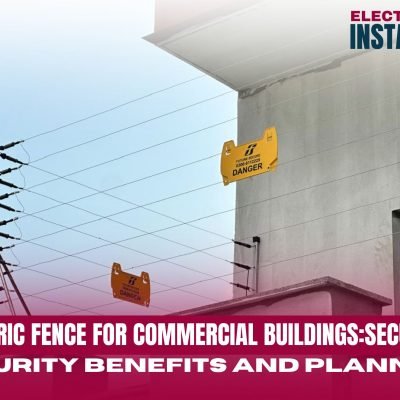
Electric Fence for Commercial Buildings: Security Benefits and Planning

Electric Fence for Commercial Buildings: Security Benefits and Planning

Electric Fence for Commercial Buildings: Security Benefits and Planning An electric fence for commercial buildings can provide an additional layer of perimeter protection for offices, business centers, shopping facilities, warehouses, and other commercial properties. As security threats continue to evolve, businesses increasingly need more than a conventional boundary wall to protect their premises. A professionally planned electric fence for commercial buildings can help deter unauthorized access while providing alarm alerts and supporting other security technologies. Moreover, when electric fencing is combined with CCTV cameras, access control, and appropriate monitoring, businesses can create a more comprehensive commercial security system. At Future Secure, we provide professional electric fence installation and modern security solutions designed to help commercial property owners strengthen their perimeter security. Why Electric Fence for Commercial Buildings Is Important Commercial properties can contain valuable equipment, inventory, documents, and other assets. Therefore, protecting the property’s perimeter is an important part of an overall security strategy. A commercial electric fence can help: Strengthen perimeter protection Deter unauthorized access Improve boundary security Provide alarm alerts Support continuous security monitoring Complement CCTV surveillance Consequently, an electric fence can transform a conventional boundary into a more active perimeter security solution. How Electric Fence Protects Commercial Properties Unlike a traditional boundary wall, an electric fence is designed to provide an active security layer around the property. When professionally installed, the system can provide perimeter deterrence and connect with alarm and monitoring features. For commercial buildings, this can be particularly useful around: Main building boundaries Warehouses Parking areas Commercial compounds Business facilities Storage areas Therefore, proper electric fence planning should focus on the entire perimeter rather than simply installing wires without considering the property’s security requirements. Electric Fence Planning for Commercial Buildings Before installing an electric fence, property owners should consider the property’s layout, boundary, access points, and security requirements. A professional planning process should identify: The property boundary Areas requiring perimeter protection Suitable locations for stainless steel poles Appropriate energizer selection Alarm requirements Remote mobile access requirements As a result, the final commercial electric fence system can be designed according to the property’s individual requirements. Electric Fence Components for Commercial Security A professional electric fence installation can include the following components: Component Role in the Security System Smart Energizer — Tongher or Nemtek Powers the electric fence system SS Stainless Steel Wires Form the electric fence perimeter Stainless Steel Poles Support the fence structure Electrical DB Box Houses electrical connections Warning Sign Plates Provide visible security warnings Siren Hooter Alarm Alert Provides physical on-site alerts Remote Mobile Access Allows remote system access Jurassic Insulators Support the fence wiring Springs Support the fence system Energizer Enclosure Houses and protects the energizer High Tension Wire Supports the fence wire system Using the correct components is important because each part contributes to the overall performance of the electric fence system.   Electric Fence and CCTV for Commercial Buildings An electric fence becomes even more useful when combined with CCTV surveillance. The two systems provide different security functions: Electric Fence: perimeter deterrence and alarm alerts. CCTV Camera: visual monitoring and surveillance. Therefore, businesses can use an electric fence to protect the boundary while CCTV cameras monitor important areas of the property. This layered approach can improve overall commercial property security. Electric Fence and Access Control Commercial buildings also need to control who can enter restricted areas. Future Secure provides Door Access Control as part of its security solutions. Access control can help businesses manage authorized entry, while the electric fence protects the property’s external perimeter. Consequently, combining perimeter security with access control creates multiple layers of protection. Benefits of Electric Fence for Commercial Buildings 1. Stronger Perimeter Security An electric fence adds an active security layer to an existing boundary. 2. Intruder Deterrence The visible presence of an electric fence can discourage unauthorized attempts to enter the property. 3. Alarm Alerts A Siren Hooter Alarm Alert can provide an immediate physical warning on site. 4. Remote Mobile Access Remote access allows property owners to monitor the system without always being physically present. 5. Integration With Security Systems Electric fencing can be used alongside CCTV cameras and other security solutions. Therefore, businesses can create a more comprehensive security environment. Electric Fence vs Traditional Boundary Wall Security Feature Boundary Wall Electric Fence Physical Barrier Yes Yes Active Deterrence Limited Yes Perimeter Protection Basic Advanced Alarm Alerts No Yes Remote Mobile Access No Available Integration With Security Systems Limited Yes As the comparison shows, an electric fence can add security capabilities that a traditional boundary wall does not provide by itself. Planning Electric Fence for Different Commercial Properties Every commercial property has different security requirements. For example, a small office building may require a different system design from a large warehouse or commercial compound. Therefore, professional planning should consider: Property size Boundary layout Security requirements Required monitoring Appropriate system components A properly designed system helps ensure that the electric fence provides effective coverage across the intended perimeter. Frequently Asked Questions (Q&A) Is an electric fence suitable for commercial buildings? Yes. An electric fence can provide an additional layer of perimeter protection for offices, warehouses, commercial compounds, and other business properties. Can an electric fence be installed on an existing boundary wall? An electric fence can be incorporated with an existing boundary structure, subject to the property’s layout and suitable installation conditions. Can commercial electric fences be monitored remotely? Yes. Systems equipped with Remote Mobile Access can allow authorized users to monitor the system remotely. Can electric fencing work with CCTV cameras? Yes. Combining electric fencing with CCTV surveillance creates multiple layers of security, with the electric fence protecting the perimeter and CCTV providing visual monitoring. What components are used in a commercial electric fence? The system can include a Smart Energizer, SS Stainless Steel Wires, Stainless Steel Poles, Electrical DB Box, Warning Sign Plates, Siren Hooter Alarm Alert, Remote Mobile Access, Jurassic Insulators, Springs, Energizer Enclosure, and High Tension Wire. Electric Fence Planning Checklist Planning Requirement Importance Property Boundary Assessment High Energizer

Read More »

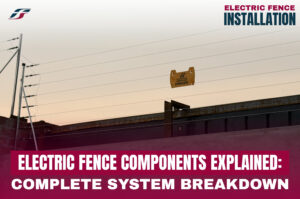
Electric Fence Components Explained: Complete System Breakdown

Electric Fence Components Explained: Complete System Breakdown An electric fence system is only as effective as the components used in its installation. Every component has a specific function and works together to create a reliable perimeter security solution. At Future Secure, electric fence systems are designed using high-quality components that ensure performance, durability, and security. Understanding these components helps property owners make informed decisions when choosing an electric fence system. Main Components of an Electric Fence System The following components form a complete electric fence security system: Component Function Smart Energizer Generates and controls fence pulses SS Stainless Steel Wires Carry electric pulses throughout the fence Stainless Steel Poles Support the fence structure Electrical DB Box Houses electrical connections and protection devices Warning Sign Plates Provide safety and warning notifications Siren Hooter Alarm Generates physical alarm alerts on site Mobile Remote Access Enables remote system monitoring Jurassic Insulators Prevent current leakage Springs Maintain proper wire tension Enclosure for Energizer Protects the energizer unit High Tension Wire Maintains fence performance and connectivity Smart Energizer – Tongher Brand or Nemtek Brand The Smart Energizer is the most important component of an electric fence system. It generates controlled electrical pulses that travel through the fence wires and create an effective security barrier. Future Secure commonly uses Tongher and Nemtek Energizers depending on project requirements. Tongher vs Nemtek Energizer Feature Tongher Nemtek Best For Small to Medium Properties Large Properties Application Residential & Commercial Industrial & Large Commercial Coverage Area Moderate Extensive Performance Reliable Premium Therefore, Tongher is generally suitable for smaller sites, while Nemtek is often preferred for larger factories, warehouses, and industrial facilities. SS Stainless Steel Wires SS Stainless Steel Wires carry the electrical pulses generated by the energizer. These wires form the active security barrier of the electric fence system. Benefits include: Strong durability Corrosion resistance Long service life Reliable conductivity As a result, stainless steel wires help maintain consistent fence performance. SS Stainless Steel Poles Stainless Steel Poles provide structural support for the electric fence system. Their purpose is to: Hold fence wires Support insulators Maintain fence alignment Moreover, stainless steel poles are durable and suitable for long-term outdoor use. Electrical DB Box The Electrical DB Box is an important component that houses electrical connections and system controls. Its role includes: Organizing electrical connections Protecting electrical components Supporting safe system operation Therefore, the DB Box contributes to the overall reliability of the installation. Warning Sign Plates Warning Sign Plates are installed along the fence to notify people that the fence is electrified. Benefits include: Safety awareness Visual warning Security deterrence Consequently, warning signs play an important role in both safety and security. Siren Hooter Alarm Alert The Siren Hooter Alarm provides an audible alert on site whenever the system detects an intrusion or security event. This allows: Immediate awareness Faster response Enhanced security monitoring As a result, on-site security personnel can react quickly to potential threats. Remote Access on Mobile Modern electric fence systems can be monitored remotely through mobile access. This feature allows users to: Monitor fence status Receive alerts Access system information remotely Therefore, property owners can stay informed about their security system from virtually anywhere. Accessories – Jurassic Insulator & Spring Accessories play an important role in maintaining fence performance. Jurassic Insulator The Jurassic Insulator prevents electrical current from leaking into fence poles and support structures. This helps maintain: Proper voltage levels System efficiency Reliable performance Spring Springs help maintain wire tension and support the overall stability of the fence system. As a result, fence wires remain properly aligned and effective. Enclosure for Energizer The Energizer Enclosure provides protection for the energizer unit. Its purpose is to: Protect the energizer Support system durability Improve equipment safety Therefore, it helps ensure long-term system performance. High Tension Wire High Tension Wire is used to maintain strong electrical transmission throughout the fence system. Benefits include: Reliable connectivity Consistent performance Improved fence efficiency Consequently, it plays a vital role in overall system operation. Electric Fence Components Overview Component Purpose Smart Energizer (Tongher/Nemtek) Generates electrical pulses SS Stainless Steel Wires Carries electrical current Stainless Steel Poles Supports fence structure Electrical DB Box Houses electrical controls Warning Sign Plates Provides safety warnings Siren Hooter Alarm Physical alarm notification Mobile Access Remote monitoring Jurassic Insulator Prevents current leakage Spring Maintains wire tension Energizer Enclosure Protects energizer High Tension Wire Supports electrical transmission Why Future Secure Is Best for Electric Fence Installation Choosing the right electric fence company is just as important as choosing the right electric fence components. A professionally designed and installed system ensures maximum security, reliability, and long-term performance. Future Secure has established itself as a trusted provider of electric fence solutions by focusing on quality equipment, professional installation, and reliable customer support. What Makes Future Secure Different? High-Quality Components We use premium electric fence components, including: Tongher & Nemtek Smart Energizers SS Stainless Steel Wires Stainless Steel Poles Jurassic Insulators High Tension Wire Siren Hooter Alarm Systems Mobile Monitoring Solutions Professional Installation Our experienced team ensures every component is installed correctly for optimal fence performance and security. Complete Security Solution Future Secure provides a complete electric fence system that includes: Smart Energizer Alarm Alerts Remote Mobile Access Warning Sign Plates Electrical DB Box Protective Energizer Enclosure Reliable After-Sales Support Our commitment does not end after installation. We provide technical support and assistance to help ensure the continued performance of your electric fence system. Final Words A complete electric fence system is only as strong as the components and expertise behind it. By combining quality equipment with professional installation, Future Secure delivers electric fence solutions designed to provide effective perimeter security for homes, warehouses, commercial properties, and industrial facilities. Categories Business Security (6) CCTV Installation (4) Electric Fence (9) Factories Security (3) Future Secure (11) Home Security (8) Industrial Security (3) Maintenance & Troubleshooting (2) Security Cameras (3) Smart Security Systems (10) Wireless CCTV (2) Latest Posts All Posts Business Security CCTV Installation Electric Fence Factories Security Future Secure Home Security Industrial Security Maintenance & Troubleshooting Security Cameras Smart Security Systems Wireless

Read More »

Future Secure Surveillance provides reliable CCTV and Electric Fence across Pakistan, ensuring safety, protection, and peace of mind for homes and businesses.

Contact Us

Request a Free Quote

Edit Template

© 2026 Future Secure Surveillance. All Rights Reserved.